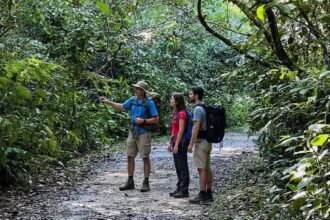



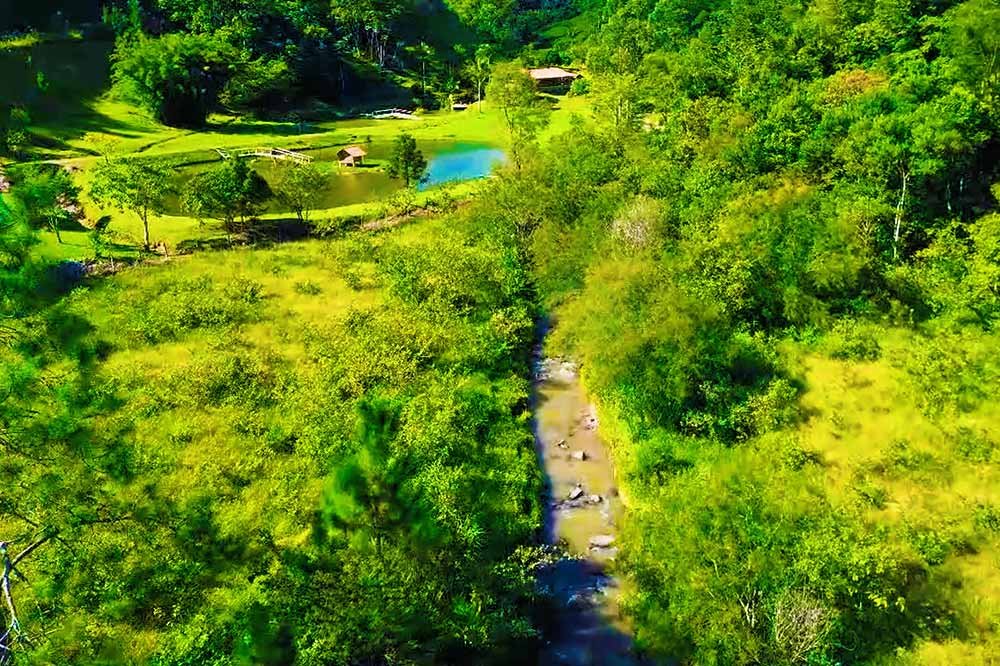
The European Valley in Santa Catarina has been attracting growing interest from European and North American travelers looking to discover a lesser-known side of Brazil. With mountains, rivers, waterfalls, preserved landscapes, and countless opportunities for ecotourism and cycling tourism, the region appeals to visitors seeking nature and authenticity.
But one question is frequently asked: why is this region in Southern Brazil called the European Valley?
The answer lies in the history of European immigration and the cultural traditions preserved through generations.
When did European immigration begin in the region?
The settlement of what is now known as the European Valley began in the 19th century. Starting in 1824, with the arrival of the first German immigrants to Brazil, thousands of families settled in different parts of Southern Brazil in search of new opportunities. In the following years, Italian immigrants also arrived, contributing to the development of local communities, agriculture, and the regional economy.
Over time, these groups built communities that preserved European customs, cuisine, architecture, and traditional celebrations.
It is estimated that around 300,000 Germans immigrated to Brazil during this period, leaving a strong cultural influence, especially in the southern states. Their presence helped shape the identity of the region and contributed to the foundation of many of the towns that today form the European Valley.
Why is the region called the European Valley?
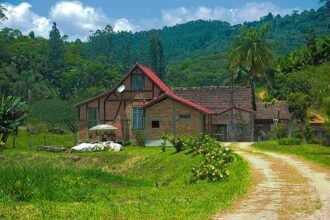
The name “European Valley” reflects the strong cultural heritage left by European immigrants. Many towns still display characteristics reminiscent of small European communities, including half-timbered architecture, flower-filled gardens, traditional cuisine, and celebrations passed down through generations.
Today, the European Valley is recognized as one of the most charming destinations in Southern Brazil, attracting visitors interested in nature, culture, and authentic experiences.
Do most residents have German and Italian surnames?
Yes. An interesting fact is that many local families have German or Italian surnames. Names such as Schneider, Müller, Zimmermann, Ferrari, Bianchi, and Bellini are commonly found throughout the region.
This heritage can be seen not only in family names but also in architecture, gastronomy, traditions, and the hospitality of local communities.
Is the European Valley only a cultural reference?
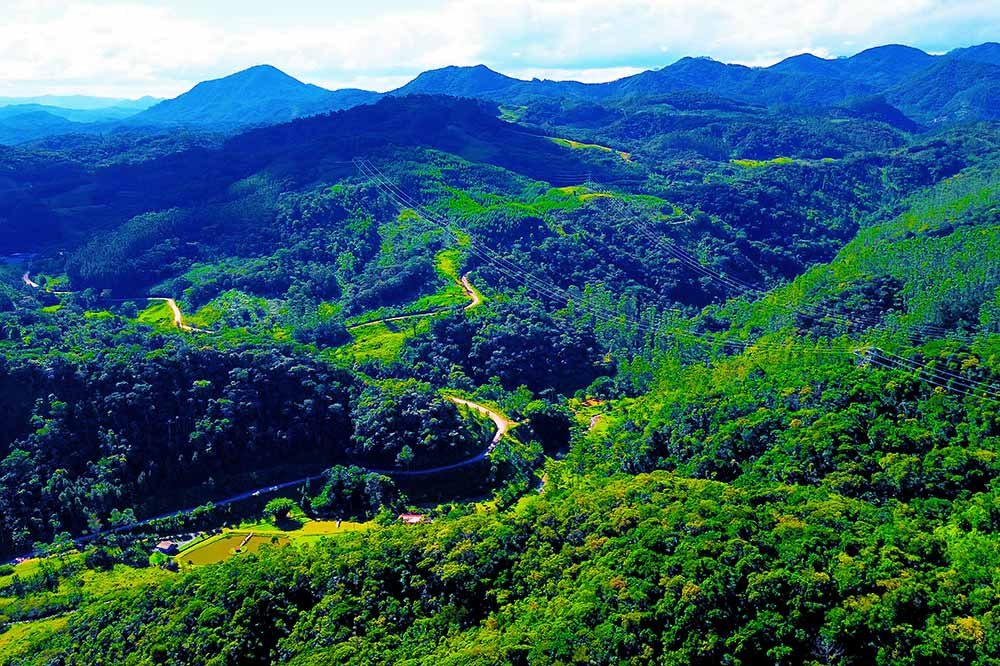
No. Beyond its European heritage, the region stands out for its mountains, rivers, waterfalls, preserved forests, and sustainable tourism initiatives. This combination of breathtaking landscapes, European traditions, and warm hospitality makes the European Valley one of the most authentic destinations in Santa Catarina and Southern Brazil.
Today, the European Valley brings together history, culture, and unique natural beauty, offering visitors a genuine experience in one of Brazil’s most beautiful and well-preserved regions.